Dr. Keith Boenning and Dr. Nate Dancykier are dentists in Towson, MD, that prevent and treat many dental concerns. Our dentists will look for signs of decay on your teeth at each routine dental checkup. Tooth decay, or dental cavities, is a common problem they see daily. Cavities are very prevalent among children.
However, adults still suffer from dental cavities. Because this problem is so common, routinely checking for tooth decay should be a part of your regular oral hygiene routine. Twice a year visits to our office will ensure your teeth are free of decay. Our dentists can catch decay before it becomes a larger problem.
What is Tooth Decay?
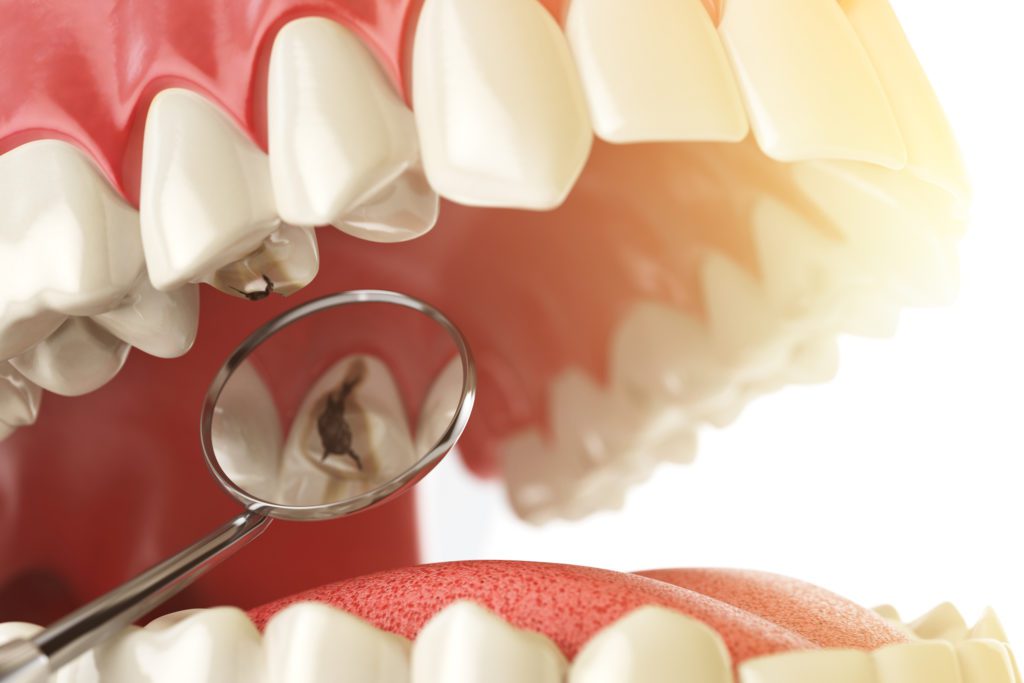
Dental cavities can lead to serious tooth damage without prompt treatments. Tooth decay occurs when the enamel, the hard outer layer of the tooth, begins to break down. This damage to the tooth’s surface will not stop progressing without treatment. When plaque sits on your teeth, it will eat away at your enamel. They create tiny openings or holes, known as cavities.
What is Plaque?
When we eat sugar and carbohydrates, the bacteria in our mouths produce harmful acids. These acids, along with bacteria, food particles, and saliva, form a substance called plaque.
Plaque is a sticky film that coats the teeth. If left for too long, it will harden into a substance known as tartar. We recommend that you brush and floss your teeth twice a day to help remove plaque and prevent tooth decay.
What Contributes to Tooth Decay?
Multiple things contribute to tooth decay but poor oral hygiene habits are the number one cause. Also, consuming an excess amount of sugar, carbohydrates, and acidic foods and beverages can contribute to decay. The easiest way to prevent decay is to brush your teeth at least twice a day, floss at least once a day, and limit your intake of sugar and starches. You can also get fluoride treatments at regular visits to protect against tooth cavities.
Treatment for Tooth Decay in Towson, MD
Dr. Keith Boenning and Dr. Nate Dancykier offer several treatments to help patients tackle tooth decay. The treatment they will choose for you will depend on the extend of the damage to your tooth. They will conduct an examination and then decide which treatment is best for you.
Tooth Filling
A dental filling is the most common general dentistry treatment for tooth decay. This conservative treatment will stop the decay from progressing and also fix the existing damage.
Our dentist will first remove the decayed portion of the tooth, and then remove all bacteria and debris. This will clean the tooth thoroughly and prepare it for treatment. Then our dentist will place a filling material, typically a tooth-colored composite resin, inside of the cavity.
Once the material is in place, our dentist will shape it by hand. The filling will fit the natural shape of the tooth and your bite. The last step is to polish the tooth to help it resemble a natural tooth.
A dental filling will repair the damage and help prevent further damage by sealing off the vulnerable area. The filling will prevent cracks, breaks, and chips and help preserve the natural tooth for as long as possible.
Restorative Dental Care
Without treatment, it will continue to progress and grow larger. The longer you wait to have it treated, the more damage your tooth will suffer. In this case, our dentist may need to use various restorative dentistry treatments to fix your teeth.
Dental Crown
A dental crown can fix a large cavity by providing a protective cover for a severely decayed tooth. Not addressing tooth decay in a timely manner will create a cavity too large for a standard dental filling.
Our dentist will remove the decayed portion of the tooth, and then reduce the size of the tooth to accommodate the crown. We will take dental impressions of the prepared tooth to create the custom dental crown. The crown will encase the entire tooth and resemble a natural tooth.
A tooth crown will restore the appearance, shape, and function of the tooth. The dental crown will also protect the weak tooth from further decay and damage. To learn more about the dental crown process, visit Dental Crown.
Root Canal Therapy
Without tooth decay treatment, the decay can reach the innermost part of the tooth. Here, it can cause the pulp to become inflamed and infected. This causes severe pain and damage to the tooth.
We may recommend root canal therapy to remove the infection from inside the tooth. Cleaning the interior of the tooth will address the decay and infection. In most cases, our dentist will also place a dental crown to restore the weakened tooth.
Dental Extraction
Our dentist may recommend a tooth extraction if he cannot fix severe tooth decay. A dental filling, dental crown, or root canal treatment might not fully save the tooth. When tooth decay advances and compromises its integrity, tooth removal becomes the only option. To learn more about the dental extraction process, visit Tooth Extraction.
Patient Review
How to Avoid Tooth Decay
You can easily avoid tooth decay by committing to a good oral care routine. A good oral hygiene routine includes daily brushing and flossing. You also need to visit the dentist twice a year for teeth cleanings. In addition to cleaning, we also offer sealants to help avoid cavities.
Teeth Cleanings
Our dental hygienists perform dental cleanings at every appointment. We recommend that you visit us every six months for a dental prophylaxis. They help remove built-up plaque and tartar in hard-to-reach places on your teeth. If you skip these necessary appointments, plaque and tartar will eat away at the enamel and cause decay.
Dental Sealants
We also offer dental sealants, thin plastic coatings that we apply to the molars. First, we clean your child’s teeth, then place sealants to protect the tooth grooves on the molars. Leftover food and harmful bacteria can collect on these back teeth and increase the risk of tooth infections.
We typically apply dental sealants to children’s molars when they erupt as an extra layer of protection. Children are more prone to tooth decay because they’re still learning how to brush and floss.
Schedule an Appointment
Do you need to treat a dental cavity in Towson, MD? Book a routine dental exam for a cavity screening by contacting our local dental office at 410-324-2294. You can also request an appointment with us online. We serve patients in Lutherville, Timonium, and Hunt Valley.