Are you feeling anxious about your dental visit? It’s completely normal to feel nervous before a dental procedure. Your dentist knows how to keep you comfortable and can explain all the options available to help you relax in the chair.
One popular solution is sedation dentistry. This involves special medications designed to ease anxiety. But how do you know which type is right for you? Dr. Keith Boenning, a trusted dentist in Towson, MD, breaks down the differences between anesthesia and sedation so you can feel informed and at ease.
Understanding Local Anesthesia
Local anesthesia is what dentists use to keep you pain-free during treatments like fillings, root canals, or tooth extractions. Your dentist will first apply a special numbing gel, topical anesthetic, to your gums. This gel makes the area tingly before you even get the injection, so you’ll barely feel the needle. Then comes the local anesthetic injection. It targets the specific nerves near the treatment area.
The magic of this medicine is that it temporarily blocks pain signals from traveling to your brain. While you’ll be completely awake and aware during your procedure, you simply won’t feel any pain where the dentist is working. Many patients describe it as a “heavy” or “puffy” sensation rather than complete numbness.
A few important things to know:
- The numbness typically lasts 2-4 hours after your appointment
- You’ll remain fully conscious and able to respond normally
- It’s extremely safe when administered by dental professionals
- Some people experience a mild tingling as it wears off
After your procedure, you’ll want to be careful not to bite your cheek or tongue while the numbness lasts. Your dentist will give you specific aftercare instructions based on your treatment.
If you’ve ever felt nervous about dental pain, local anesthesia makes modern dentistry comfortable and stress-free. And if you have any concerns, your dentist can explain exactly what to expect for your specific procedure.
Sedation Dentistry Options
Sedation dentistry offers safe ways to help patients stay calm during treatment. Your dentist can recommend different options based on your needs and the procedure you’re having, such as:
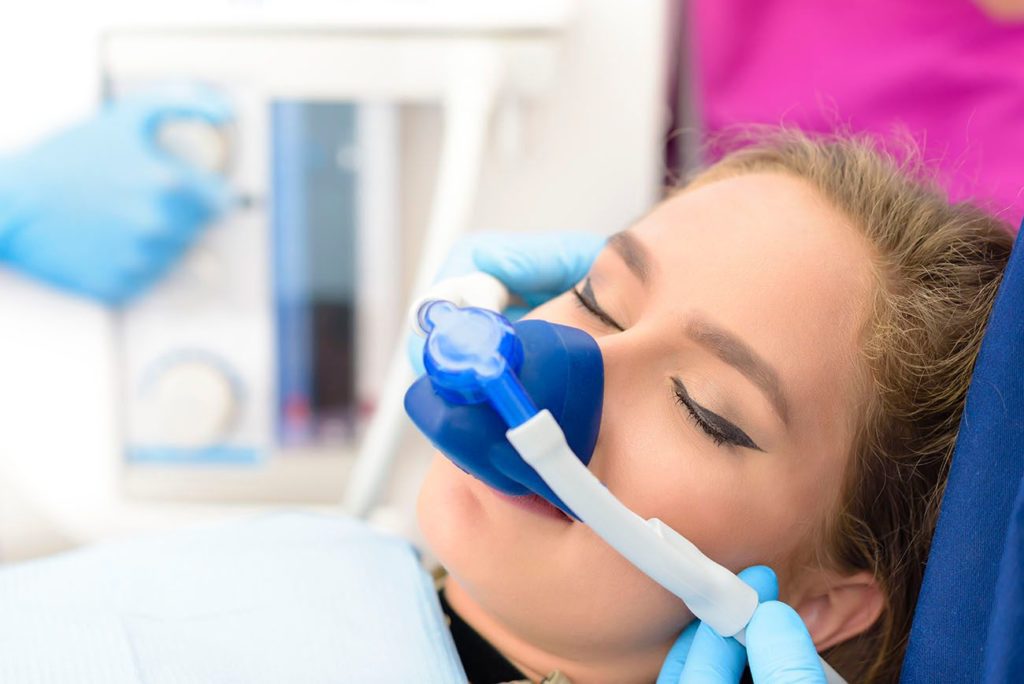
- Nitrous Oxide (Laughing Gas): This sedation treatment is given through a comfortable nose mask. The patient remains conscious but becomes relaxed as they breathe in the medication. The effects disappear quickly after treatment, so you can drive yourself home. It’s best for mild to moderate anxiety.
- Oral sedation: A patient can take an oral sedation pill before arriving for your appointment. However, they will need to arrange a lift to and from their appointment. The medication will calm a patient enough that they might doze off during their dental work. This sedation wears off gradually after a few hours, so you need a friend or family member to drive you.
Your dentist will consider your comfort level with dental procedures, the type of treatment you’re getting, and how relaxed you want to be. The right sedation can make your visit peaceful and stress-free. Just talk to your dentist about which option works best for you!
Understanding General Anesthesia
For major dental surgeries or patients with severe dental anxiety, general anesthesia provides complete comfort by inducing a controlled, sleep-like state. Here’s what you should know:
Unlike other sedation methods, general anesthesia is:
- Administered through an IV by an anesthesiologist
- Used for complex procedures like wisdom tooth extractions or jaw surgeries
- Typically performed in hospital settings with full medical monitoring
Before your procedure, you’ll need to prepare by fasting for 6-8 hours and arranging for transportation home. You won’t be able to drive afterward. Your dental team will thoroughly review your medical history to ensure anesthesia is safe for you. During treatment, you’ll be completely unconscious and free from pain while the medical team continuously monitors your vital signs.
Afterward, you’ll wake up gradually in a recovery area, possibly feeling groggy or nauseated for a short time. Full recovery typically takes about 24 hours. General anesthesia requires specialized care, so it’s not used for routine dental work and may involve additional pre-operative testing.
The benefit is complete pain relief and no memory of the procedure. It’s an excellent option for extensive treatments or extremely anxious patients. Your dentist can help see if this approach is right for your specific needs and explain every step of the process for your peace of mind.
General anesthesia makes complex dental care possible for those who need it most, providing complete comfort during extensive treatments. Your dentist can explain if it’s right for your specific situation and walk you through every step of the process.
Ask Your Towson, MD Dentist About Sedation Dentistry
Boenning and Dancykier Dental Implants and Cosmetic Dentistry offer sedation dental treatments and other general dental services to patients in Towson, MD. Dr. Boenning also specializes in cosmetic and restorative dentistry, including tooth replacement solutions. To schedule an appointment with our practice, contact us online or reach us by phone at 410-324-2294.